
Social Media is a means of social networking. When it is used to benefit a business, it can serve you better than any paid advertisement. Below I will show you how to get the most out of what you post, and how to analyze your data to best influence your audience.
Creating a Business Plan
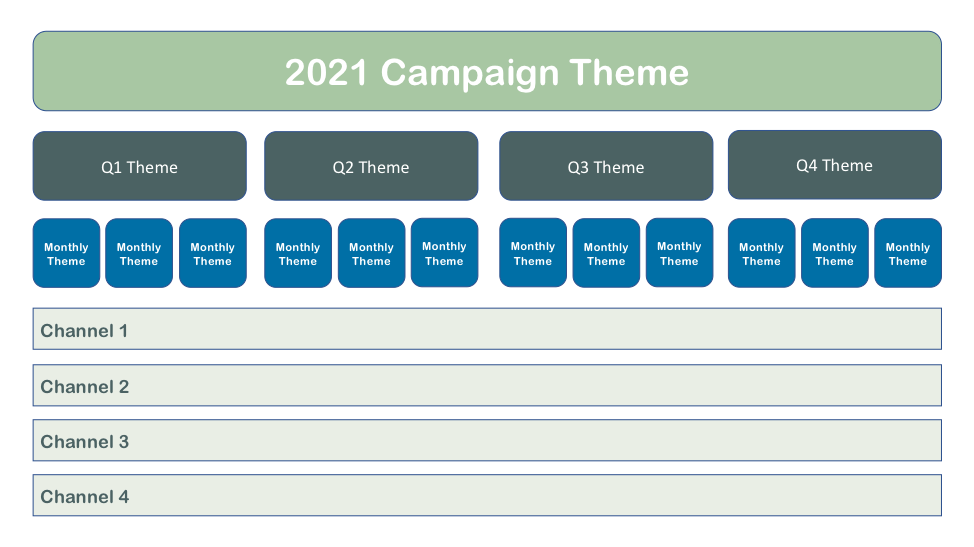
The first step to getting the most out of what you post is to create a yearly marketing plan. December is National Write a Business Plan Month, which makes complete sense as it is the last month of the year, and therefore is the best time to create the new plan for the year to come. Creating a marketing plan gives you a direction and a means for testing out what posts are the most effective. That being said, a yearly marketing plan is subject to change, and should be altered accordingly when new information and analytics arise. Below you will see an outline of a marketing campaign.
Business Plan Themes
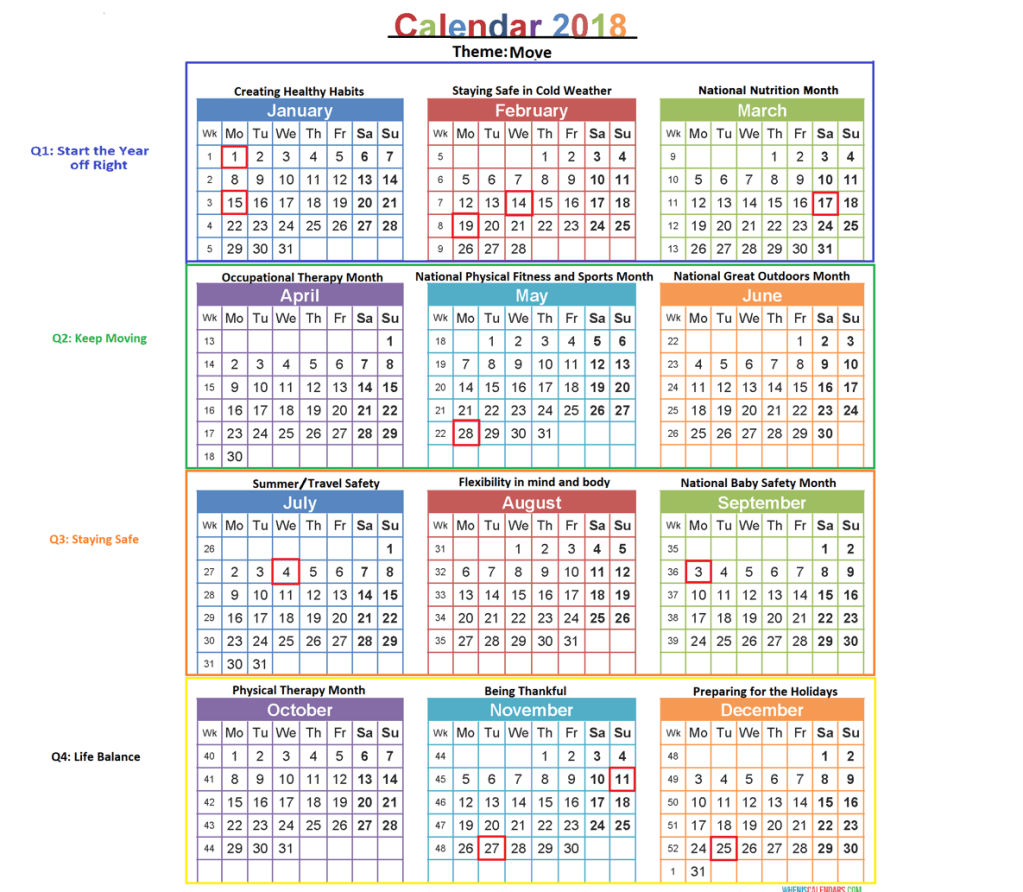
You will want to create an overarching theme for the year, a theme for each quarter, and a theme for each month. This will help you to stay on track and focus on your message that you want to portray yearly, quarterly, and monthly. This also gives you a chance to think about your target audience, and preferred channels (such as Facebook, Instagram, Press Releases, a blog, or Email Marketing Software) to reach your audience. Keep in mind that you will need to tailor your platform to the age and demographic you are trying to reach.
Below you will find the marketing plan I created for a physical therapy company back in 2018, to give you an idea of what a finished product looks like. You’ll also notice that I boxed all holidays in red in case I wanted to incorporate those dates into the campaign.
Formulating a Post for Your Channel
There are many types of posts. What posts are the most successful will depend on a variety of factors; your platform, product or service, audience, time of year, status of the stock market, and the thoughts around the current COVID-19 pandemic will all factor in to the most successful type of post.
The post types I have found to be most successful are personal, inspirational, funny, or informative. It’s important to execute a variety of these (sometimes in the same post) to increase engagement. The one thing all these posts have in common is that they bring value to your clients, and they should all have a call to action.
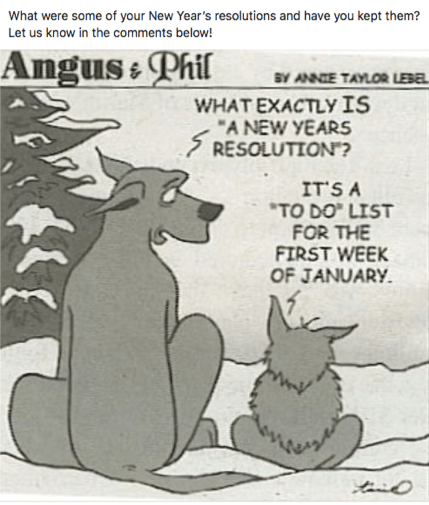
Now let’s look at formulating a post that matches all the criteria for success. If you look at the photo below, you will see a post I created in January for the same physical therapy company. The annual theme was move, the quarterly theme was start the year off right, and the monthly theme was creating healthy habits. The post uses a photo that was free to use and share commercially, (without this consideration you could face legal repercussions). The post also encourages audience interaction. This was scheduled to go out on social media at the most optimal time for interaction based off the platform’s analytics; generally the best time to post is a weekday at 3PM. However, with the pandemic this time has shifted to different optimal times for each platform. Those can be found here.
Analyzing the Data
Now that we have created a marketing campaign and a first post, we can analyze our data. All social media and search engines have analytics, and all campaigns should be altered to appease that particular analytics program. Google, for example, values site creditability, so the more credible links you have associated with your page, the higher you appear on Google Search Engine Results Pages (SERP).
To find the Facebook analytics you just need to go to your business’s page and click on Insights, located across the top bar.
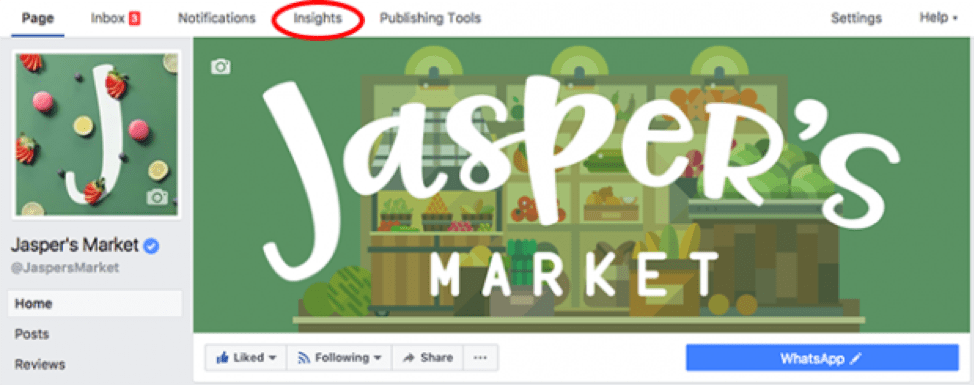
From there, you will end up on your Facebook Insights dashboard.
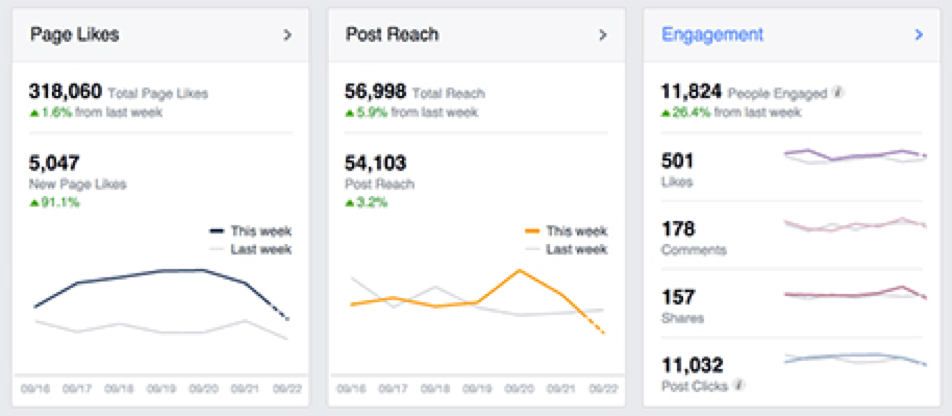
The dashboard will break down the posts for you by page likes (how many people liked your page over the last seven days), post reach (how many people saw all the content you posted over the last seven days), and engagement (how many people have liked, shared, or commented on your posts over the last seven days). My personal favorite is post reach, because it gives you an overview of how many people saw content from your page and how they interacted with it. If you click post reach, a graph like the one below should pop up. From there you can analyze your post reach.
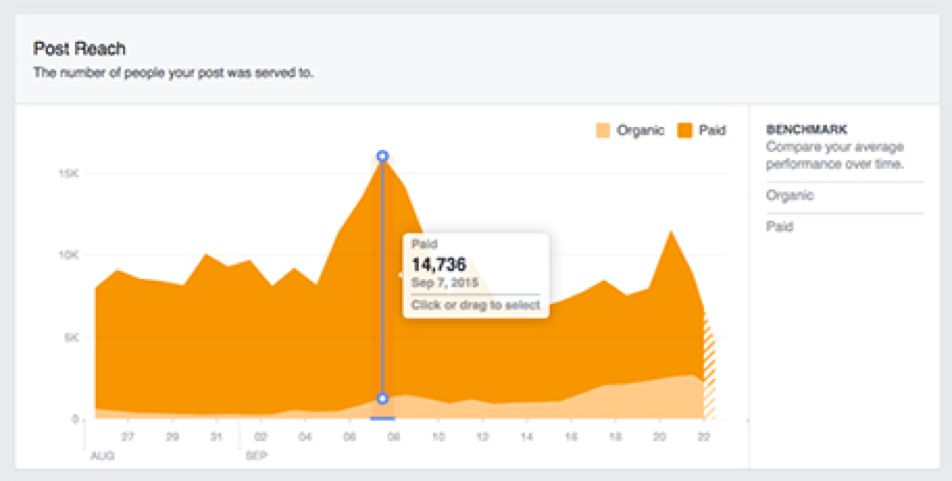
If you look at the graph above, you will see that there were spikes and valleys in activity. You can click on a point on the graph to see what post induced that spike in engagement. Post reach breaks these graph points down into the total reach, positive interactions, and negative interactions. This will help you focus on the content that is most popular with your audience, in addition to which kinds of posts might be hurting your performance.
Conclusion
Social Media is just a small portion of this multifaceted task that is creating a digital marketing campaign. To truly create a great campaign one needs to be able to analyze and interpret data, manage relationships, enact Search Engine Optimization, create an updated website, a structured blog, use Email Marketing Software (EMS); the list goes on.
Follow my blog posts for the next article that goes over blog recommendations for success. I hope this helps you to feel confident creating a marketing plan. If you would like to learn more or schedule a free consultation to find out the most efficient way to execute your strategy, click the button below.

 WOW Website Marketing