
If you were to create an elevator pitch for yourself, the way you would on a date or during a first impression, what would you say? What would you mention first? Would you mention your family, pets, job, hobbies, aspirations, or where you work? What about an elevator pitch for your business; would they both look the same?
Salesforce posted a live interview on establishing your brand, and I posted and article with the highlights from the episode. I want to build upon those ideas, and go into how creating a brand for yourself and one for your business can improve your profitability.
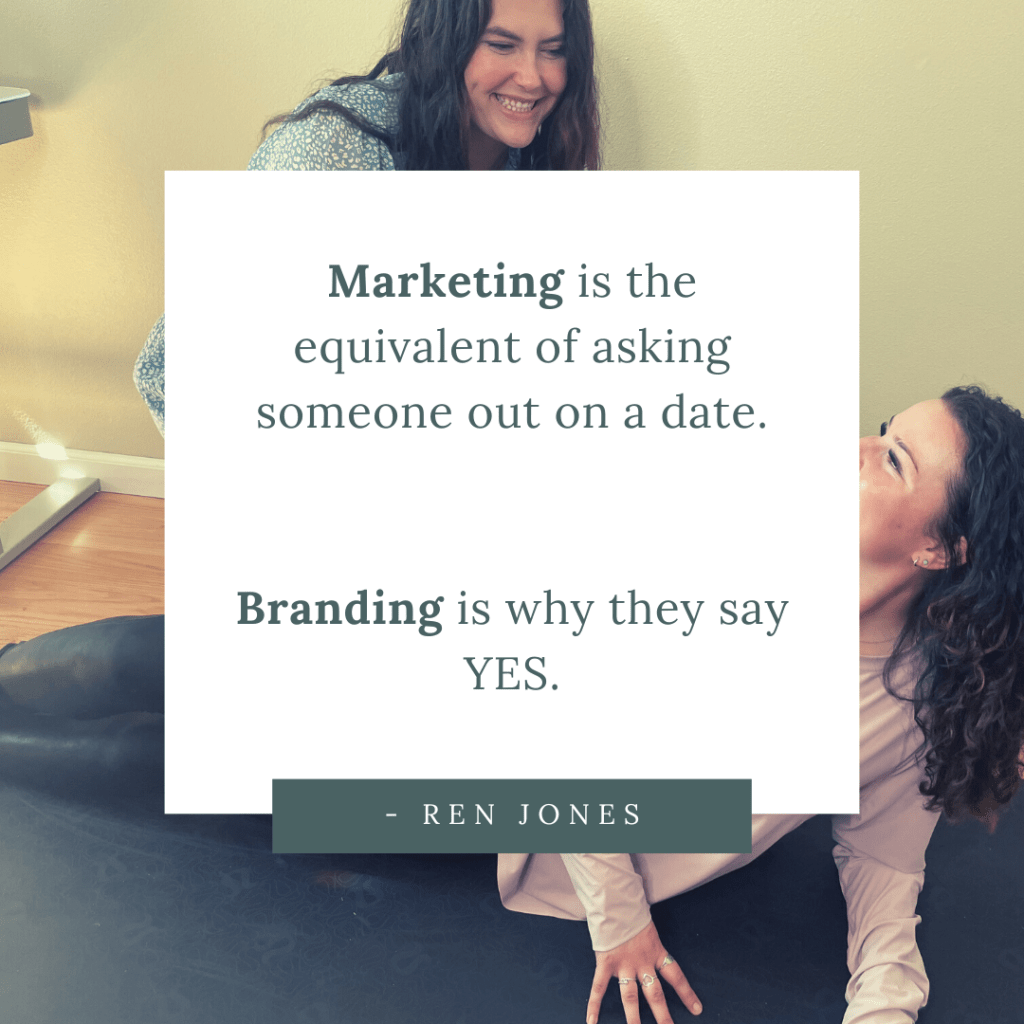
Establishing Your Personal Brand
After 10+ years of being a physical therapist assistant, my husband realized his business branding “box” he created for himself was too small.
He realized his job didn’t match his personal goals of constantly improving his abilities and his personal finances; the companies he worked for only valued their bottom line. He found himself in cognitive dissonance; his actions and work didn’t align with his beliefs. He was in great deal of emotional stress as a result.
What did he do? It was difficult, but he found a bigger box. His personal brand is still to improve his abilities and his personal finances, and his new work brand is, “I am responsible to for finding and capitalizing on all the success in my life.”
Bottom line, build a brand for yourself that your work easily fits within. This is the key to creating a brand and mission you align with. Don’t box yourself in!
Establishing Your Company Brand
What you do for a living can change, but it needs to align with your personal values or you will find yourself in a place you don’t belong and are not happy (like in the story mentioned above). If you’re asked about your job, it’s tempting to say your title, or the company you work for; physical therapist at (insert company name here).
If you introduce yourself simply by your job title, the person you meet could remember that you’re a physical therapist or the name of the company you mentioned, but it’s unlikely unless someone asks for that company or title by name. For example, if someone asks that person if they know a physical therapist, they could remember you. This is a great example of marketing.
However, think about the potential here if you told this person your purpose was to “Help people prevent setbacks from derailing their careers, like injuries or accidents.” In this second version, you have broken it down to a more basic level and they are more likely to apply this in a way to benefit you later on. You have made it much more likely they will reach out later with someone who needs your help. Plus, if they find out you’re not a physical therapist anymore and that you’re actually a business coach, you still fit within this “box” you defined for yourself.
How Do I Know If It’s Time to Rebrand?
When you need to incorporate larger goals to withstand the test of time. A good example of when you should rebrand comes from the book Applied Strategic Planning. The example in the book focuses on how train companies struggled to rebrand as more modes of transportation became available.
When train companies didn’t rebrand, it resulted in their businesses failing. They failed because they didn’t diversify to meet their patron’s needs; they didn’t realize they were in the transport business, not the train business.
How can this be applied to your business?
One struggle I hear almost on a weekly basis is how hesitant patients are to select a provider outside of their insurance umbrella, or an out-of-network provider. My healthcare business coach shared with me a trade secret to this common obstacle that uses the methods discussed in this article. You can read the trade secret here, or reach out to him today to discuss your unique situation.
Conclusion
What you do for a living can change more easily than you can change your personal values. Project a personal and business brand you believe in, and focus on your purpose. People align better with a purpose than a title. Don’t box yourself in a position, or a company. Do create a brand, or purpose, that you align with, and never underestimate going the extra mile.

 WOW Website Marketing