

Business owners are faced with many obstacles. Quite possibly the largest obstacle is building and maintaining your desired client base. Ads, commercials, and cold calls are costly, time consuming, and your gains drop off. I want to give you a healthy, functional knowledge of Search Engine Optimization (SEO), Search Engine Marketing (SEM), and Pay-Per-Click (PPC) advertising to help you make an educated decision to propel you forward financially. Many advertising companies are banking on the fact you don’t know what is hiding behind the curtain of your own website; the key to sustainable advertising.
Many advertising and digital marketing companies are trying to capitalize on the fact that Search Engine Optimization (SEO) and Pay-Per-Click (PPC) advertising are buzzwords. They think you will pay money in order to gain some understanding of digital marketing, however, their goal isn’t transparent.
Most digital marketing and advertising companies are determined to keep you in that zone of minimal understanding to make you believe you need them to keep the benefits going. The reality is that you could learn to do these things, but you do have to compare the cost-benefit of how long it will take an expert to complete simple tasks verses how long it will take you to complete a difficult task.
What does SEO mean?
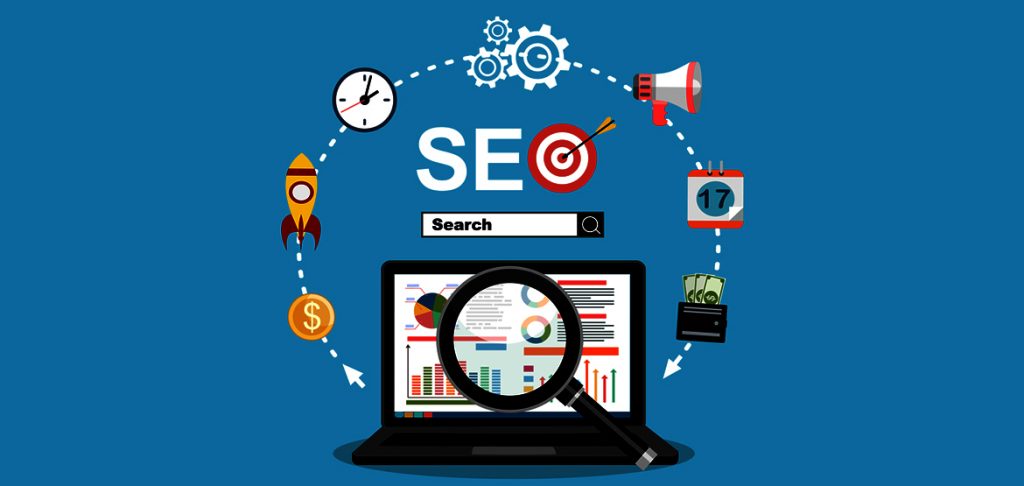
Search Engine Optimization (SEO) is manipulating your website content so it is exactly what Google search engine crawling robots are looking for. It sets up your website to work for you and place you in the best position, at the top of search results organically.
Robots are crawling my site? Should I be concerned?!
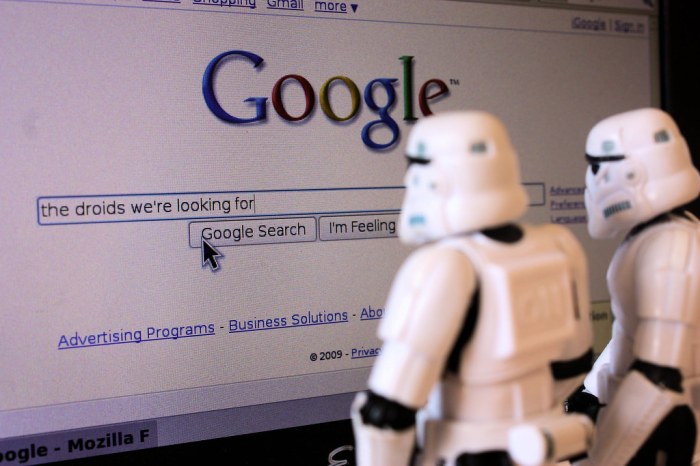
Don’t be alarmed; they’re there to help you! Google uses Artificial Intelligence (AI), known as search engine crawling robots, to decide where each page belongs in Google. SEO allows you to use keywords and attributes to enable your website to be the one these robots are looking for.
These robots “crawl” all websites and organize them by how trustworthy your website is, how well it matches the search keywords, as well as how many times the keywords are used on your website. However, if you use the keywords too many times on one page, you risk your website being flagged as untrustworthy, or spam. Google also uses this AI to show you what you want to see, which I will explain below.
Can I do SEO Myself?

If you think pricing for SEO is too high you have the capability to learn it yourself. However, it is a very time-consuming process. Either way, you will be spending time and money to complete this task.
Say you want to do SEO yourself and make $50 an hour, I will show you how you will likely end up paying more in the long run. If you want to do it yourself, for each task you will likely have to watch five 30-minute YouTube tutorials, then spend an hour executing what you learned. Not to mention that you will probably forget this new skill if you don’t repeat it within the month. For one task you have spent 3.5 hours on something that would have taken an expert 30 minutes. So you have spent $175 instead of hiring an expert who can complete it much faster. While it may seem like you’re saving money, you are losing money starting SEO on your own.
That said, if you choose to pay someone to execute SEO or PPC, you may notice that you appear on the first page of Google Search Engine Results Pages (SERP) when you type in, “Seattle Physical Therapy.” However, I can guarantee what you see is different from what your potential customers see when they type in the same words, also known as keywords. Please see this article to learn how to remove your search biases and see your page as a customer would.
What is SEM?
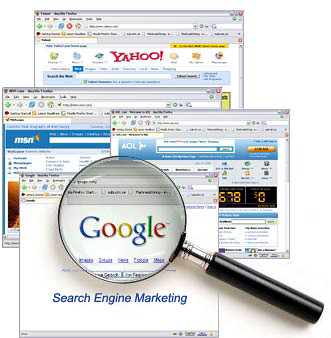
There is no harm in performing both SEO and PPC simultaneously, this strategy is known as Search Engine Marketing (SEM). However, I prefer SEO, because it is the most cost-efficient and allows for some time to prepare for an influx of clients. If you get 30 clients tomorrow, will you be able to handle that influx in a timely manner, or would it be more reasonable to find 30 clients over the course of the month and build from there?
What is PPC?
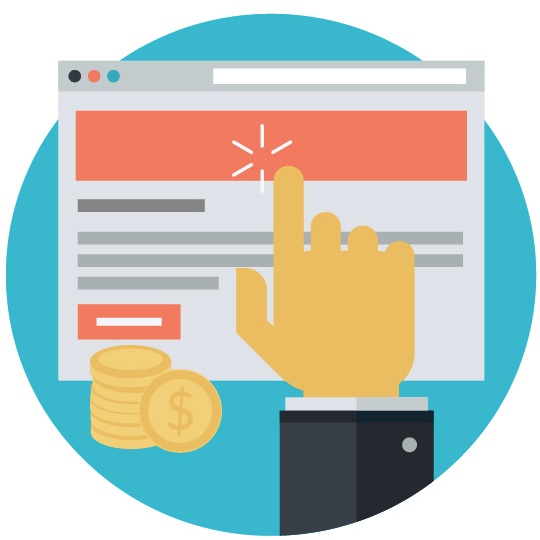
Pay-per-click (PPC) advertising is an advertisement that is placed on a platform, such as Facebook. You then pay each time someone clicks your ad. That ad will funnel people to your website. However, the point isn’t just getting people to your site, it’s getting them to make an appointment, or sign up for your email marketing campaign.
If you don’t have enough quality content to keep people on your site, using PPC advertising will result in a high bounce rate. A high bounce rate means that people glance over your site and “bounce” before navigating to a second page.
If you have 200 people funneled to your site, but only 3 actually click through and make an appointment, you have damaged your reputation with Google. Having a high bounce rate makes Google less likely to recommend you in future searches. This negatively impacts your site by lowering your ranking in Google SERP, making you less visible. This is the exact opposite of what you were paying to correct.
If I use PPC Advertising does my Google SERP always increase?
No. You could effectively be paying to move further from the first page in Google SERP, if your PPC campaign isn’t paired with SEO. Generally, what you’re paying for with PPC is for more visibility. It’s therefore ironic that PPC can actually drag you down in organic search results.
Target Demographics
You can use target demographics in PPC to attempt to select for the age or habits of your desired customer. I will explain below why this isn’t exactly what you want.
What happens when you rely on demographics instead of your keywords?
PPC uses AI to find demographics that should work for you. However, you simply cannot rely on PPC Advertising alone; you need a mix of SEO and PPC if you want to make sure you’re reaching the right audience. If you don’t include SEO, you could reach your audience, but say the wrong thing like what happened in the video above. If that happens, you will have a higher bounce rate for your website, which as we learned above, negatively impacts your Google SERP. The marketing strategy that combines SEO and PPC is known as Search Engine Marketing (SEM).
Conclusion
The strategy that is best for your business will depend on your business needs. SEO involves making your website the exact thing that Google SERP are looking for, which is necessary for sustained success regardless of your selection.
When using PPC Advertising, it should always be paired with SEO, or you will damage your Google reputation. SEM or SEO will allow you to create a sustainable marketing plan. However, you need to be prepared to succeed and expand to meet the demand. Both SEO and SEM require involvement from you, as you are the only person who knows the direction you want your business to grow.
Want to learn more about how to make your website more financially sustainable? Click the button below for a free consultation.

 WOW Website Marketing